Exploring the History of Music Salons
Music salons have long been a cherished aspect of cultural life, offering intimate settings where art and social interaction converge. This article delves into the historical significance of music salons, their evolution, and their relevance in today’s cultural landscape.
Understanding the Origins of Music Salons
The concept of music salons dates back to the 18th century, particularly in Europe. According to historical accounts, these gatherings were typically hosted by affluent patrons who sought to cultivate artistic talent and foster community. Experts in cultural history suggest that salons were instrumental in shaping the careers of many composers and musicians, providing a platform for their works to be performed and appreciated.
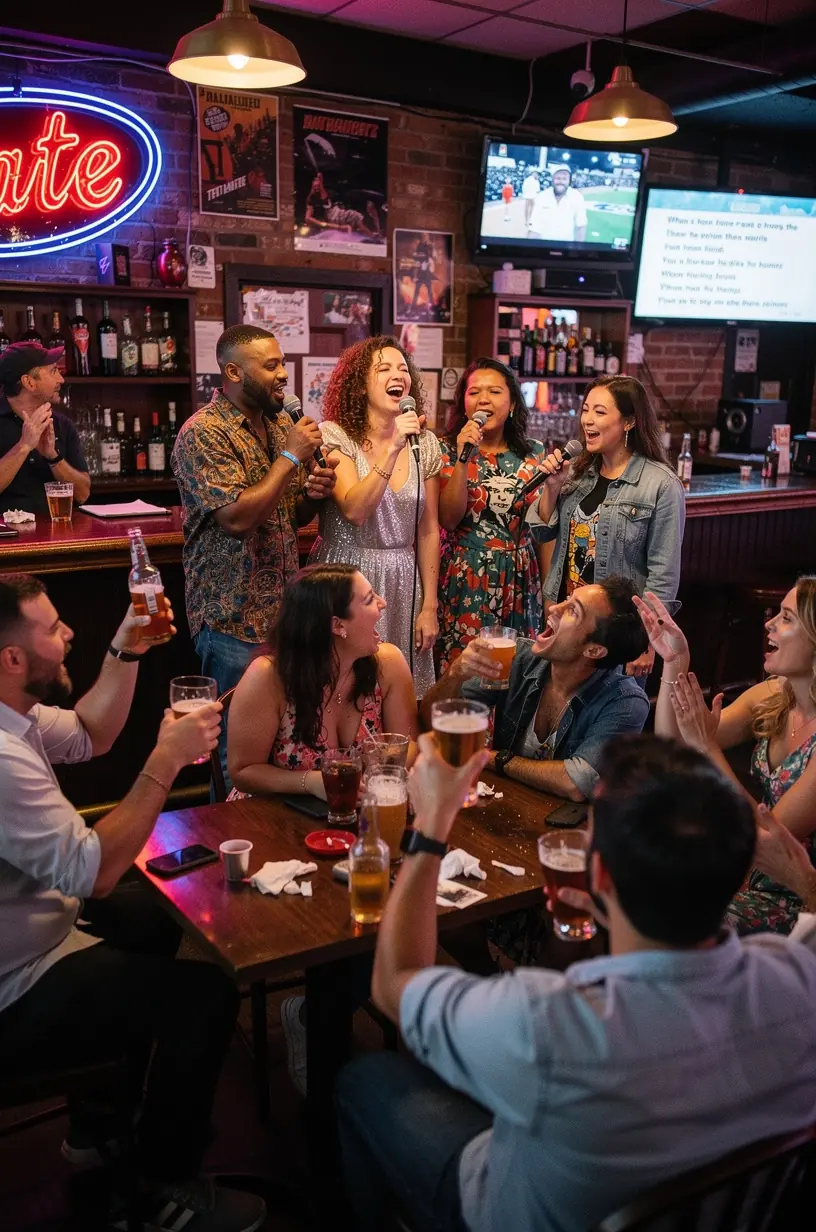
"Music salons served as a vital social hub where artists could showcase their talents and engage with the audience, significantly influencing the music of the time."
Key Characteristics of Music Salons
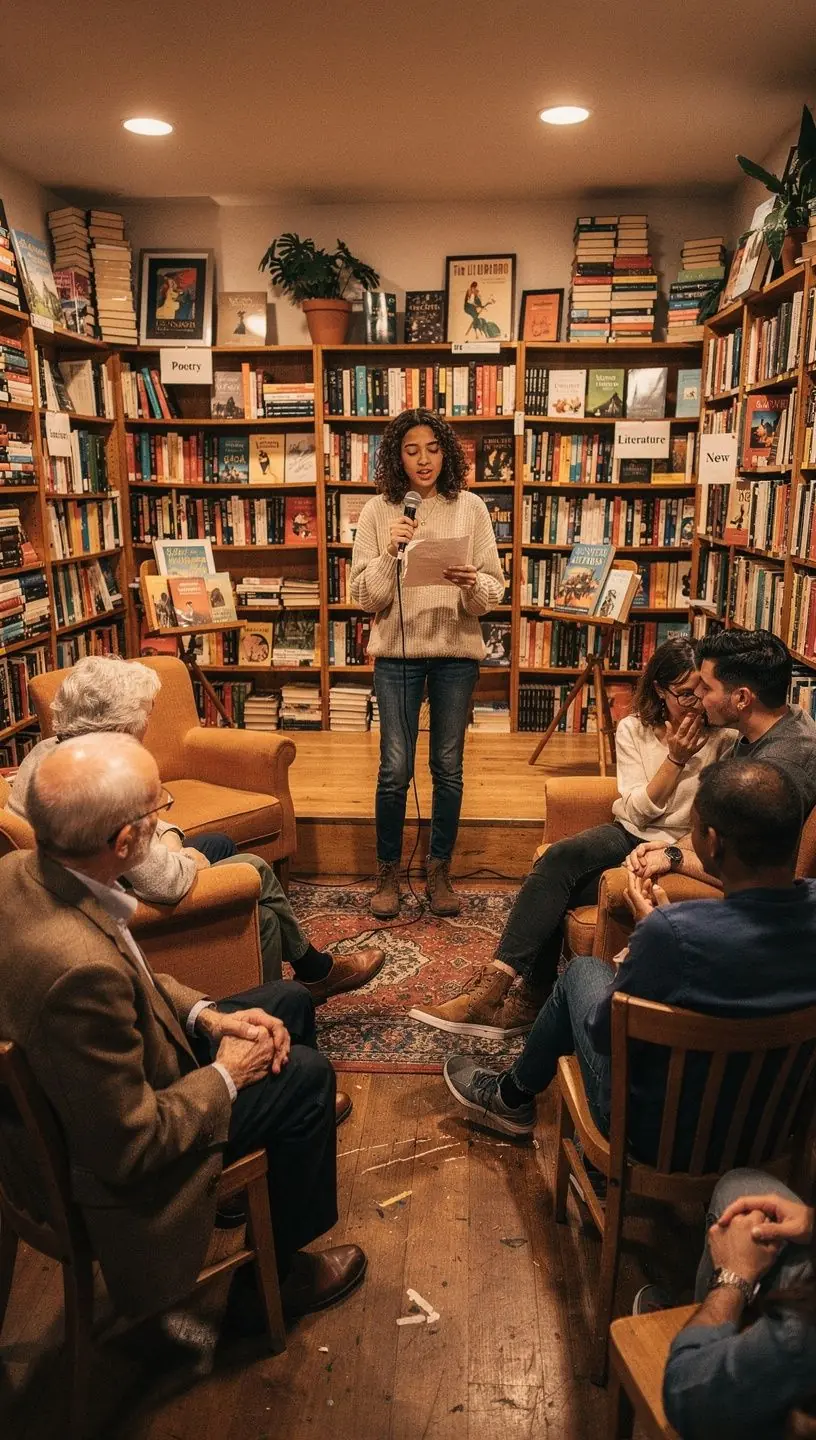
Typically, music salons are characterized by their intimate atmosphere. This setting allows for close interaction between performers and attendees, creating a unique experience that larger venues often lack. Common features include:
- Intimate Gatherings: Often limited to small groups, allowing for a personal connection between musicians and guests.
- Diverse Programming: Salons may feature various genres, from classical to contemporary, showcasing emerging and established talent.
- Interactive Elements: Many salons encourage audience engagement, such as discussions or Q&A sessions after performances.
The Evolution of Music Salons in the US
As music salons made their way to the United States, they adapted to local cultural dynamics. Many salons in the 19th century became platforms for abolitionist discussions and women's rights. Research indicates that these gatherings fostered a sense of community and activism, merging art with social causes.
Modern-Day Music Salons
Today, music salons continue to thrive across the US, often taking place in private homes or small venues. This resurgence is typically attributed to a growing desire for authentic experiences in an increasingly digital world. Many users report that attending music salons offers a refreshing alternative to mainstream concert experiences, emphasizing quality over quantity.
Why Attend a Music Salon?
Engaging in music salons can provide numerous benefits:
- Community Connection: Salons promote social interaction and can create lasting relationships among attendees.
- Cultural Enrichment: Participants gain exposure to diverse musical styles and artistic expressions.
- Support for Artists: By attending, you contribute to the livelihood of musicians and support the arts in your community.
Conclusion
Music salons represent a unique intersection of art and community, reflecting the cultural fabric of society throughout history. While they may require a commitment of time and effort to attend and participate, the enriching experiences they offer are often profound. For anyone looking to deepen their appreciation of music and connect with others, attending a salon may be a rewarding endeavor.