Understanding the Role of Art in Social Gatherings
Art has long served as a bridge connecting individuals in social settings. Through various forms, it enhances relationships, stimulates dialogue, and fosters a sense of community. This article explores how art contributes to enriching offline social gatherings such as music salons, themed evenings, and group activities.
The Importance of Art in Social Contexts
Art plays a vital role in social gatherings by providing a shared experience that can deepen connections among participants. According to research by the National Endowment for the Arts, engaging with art can lead to heightened emotional well-being and foster community ties. Many users report feeling a stronger sense of belonging when they engage in artistic expressions together.
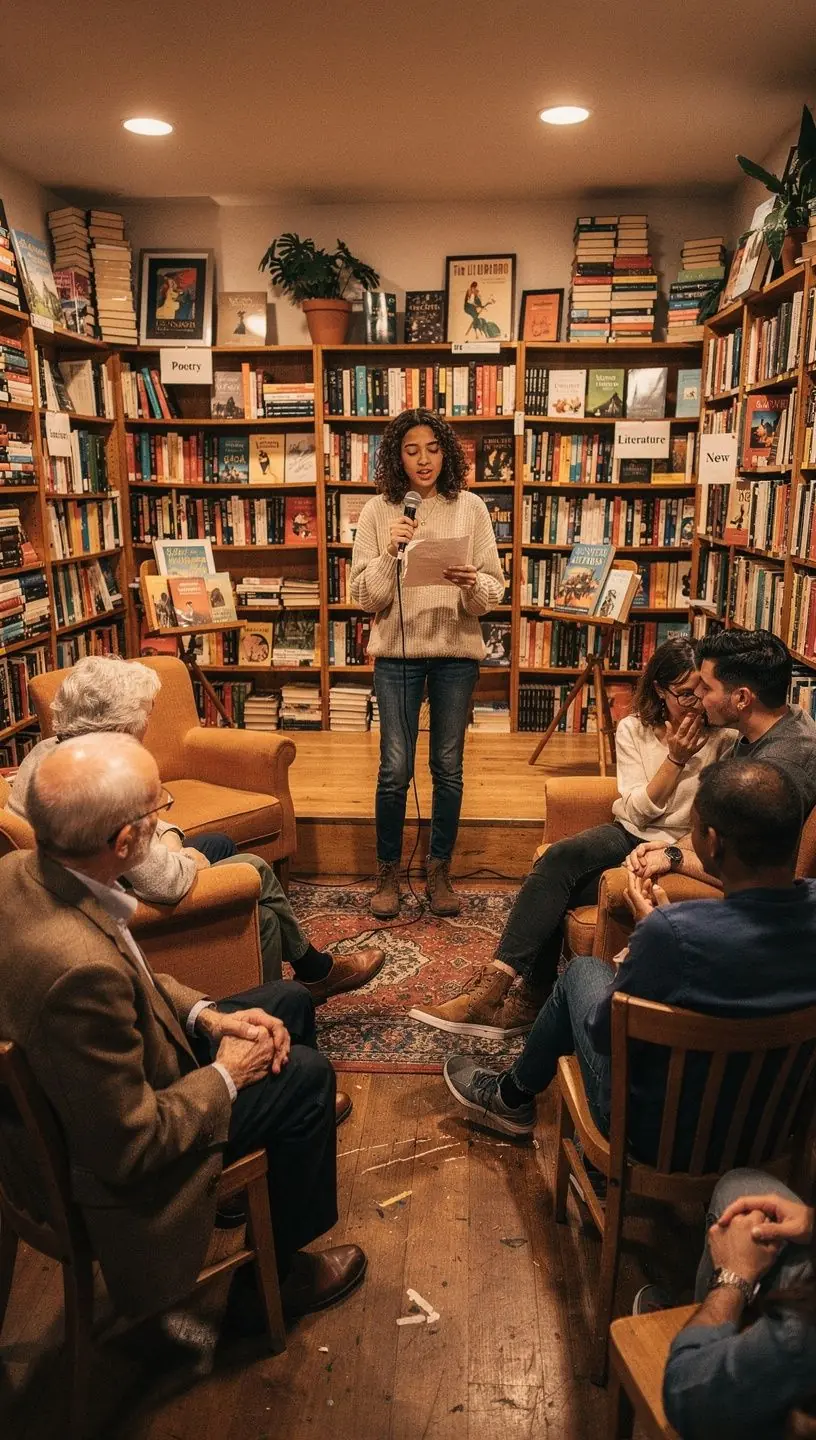
"Art is a universal language that transcends barriers and connects people on multiple levels." - Art & Community Journal
How Art Facilitates Connection
There are several ways in which art can facilitate meaningful connections during social gatherings:
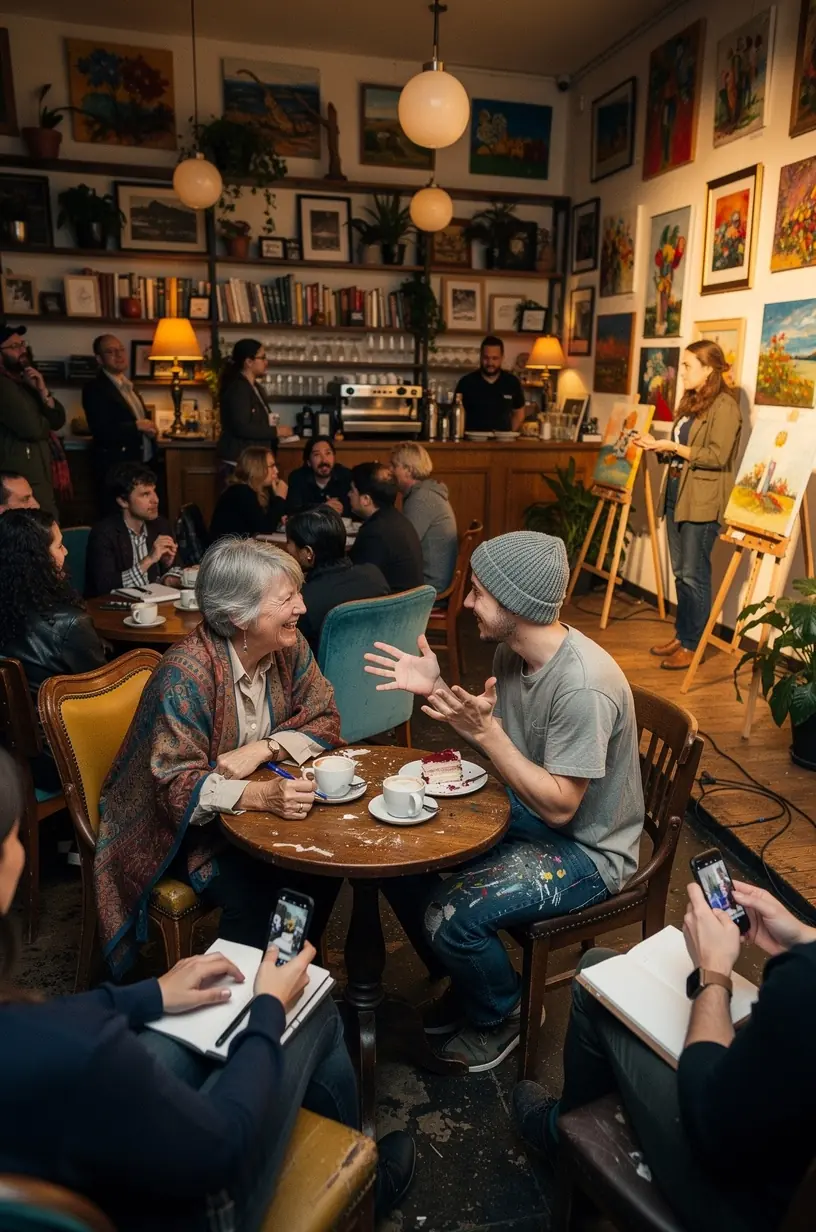
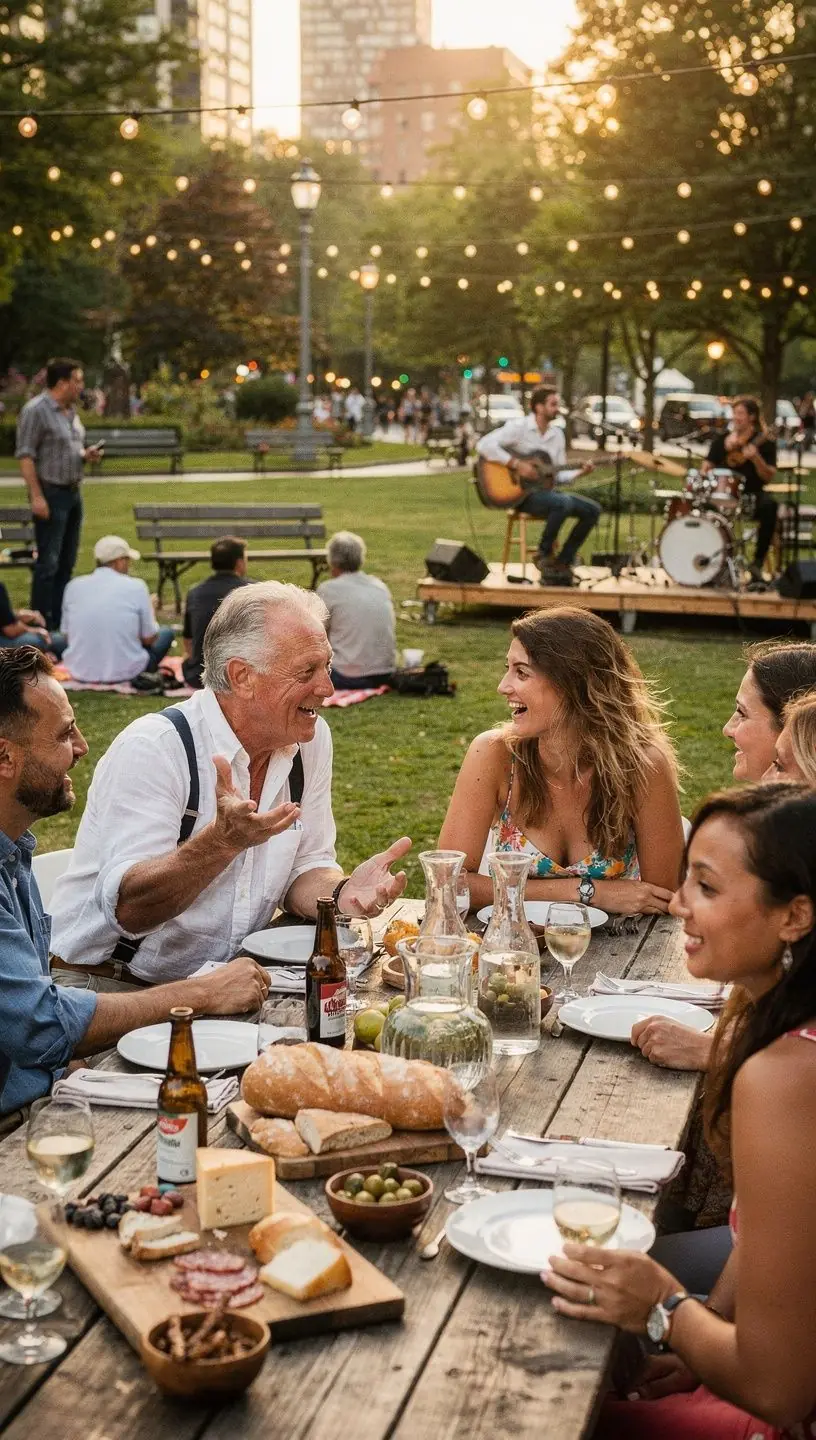
- Shared Experiences: Activities such as painting nights or live music events offer attendees a collective experience, often leading to richer interactions. Studies show that shared experiences can enhance group cohesion and companionship.
- Stimulating Dialogue: Art can serve as a conversation starter. Engaging with a piece of art often prompts discussions that might not occur otherwise. Experts recommend incorporating art into gatherings to facilitate deeper conversations among participants.
- Expressing Emotions: Creative activities can help individuals express emotions in a safe environment. This emotional release can be particularly beneficial in group settings, where participants may feel free to share and connect.
Implementing Art in Your Events
To effectively incorporate art into your social gatherings, consider these practical steps:
- Select a Theme: Choose a central theme for your event that aligns with the type of art you want to feature. This could range from a specific art style to cultural expressions from different communities.
- Engage Local Artists: Collaborating with local artists can enhance authenticity and community involvement. Many communities have artists eager to share their work in exchange for exposure or small honorariums.
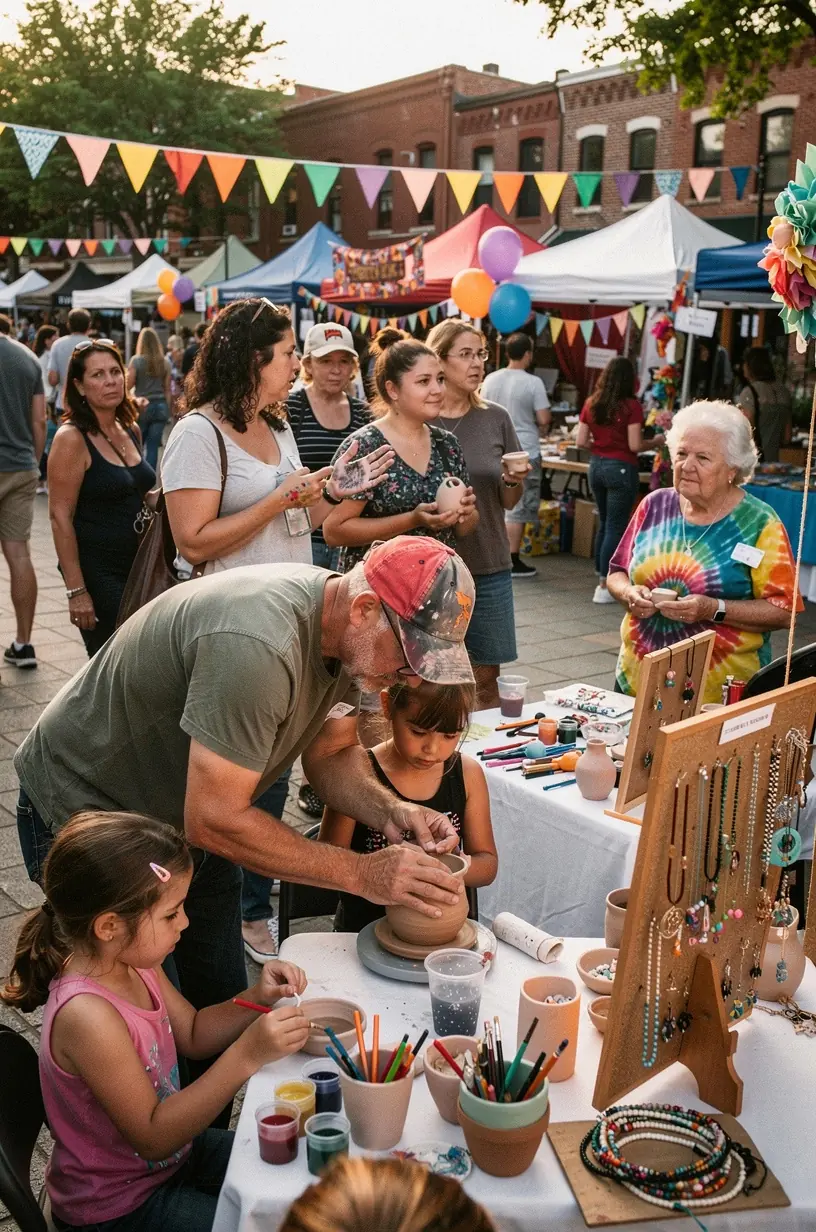
- Prepare Interactive Activities: Organize activities that allow attendees to participate actively, such as collaborative painting projects or music jam sessions. This involvement can create lasting memories and deepen connections.
Acknowledging Limitations
While art can significantly enrich social gatherings, it’s also essential to recognize its limitations. The incorporation of artistic elements typically requires careful planning and a commitment of time. Organizing an art-focused event can take several weeks, and not all guests may be comfortable participating in artistic activities. Thus, it's crucial to provide alternative options or formats that cater to different comfort levels.
Conclusion
In summary, art serves as a powerful tool for enhancing social gatherings by fostering connections, sparking conversations, and providing emotional expression. By thoughtfully incorporating art into your events, you can create enriching experiences that resonate with attendees. Remember to approach the integration of art with clear expectations and a willingness to adapt based on your audience's feedback. Ultimately, art has the potential to transform ordinary gatherings into memorable and engaging experiences.
Discover More