The Impact of Group Activities on Cultural Engagement
Engaging in group activities can significantly enhance cultural participation and community cohesion. This article explores how such activities foster cultural engagement, supported by research and expert opinions.
Understanding the Basics of Cultural Engagement
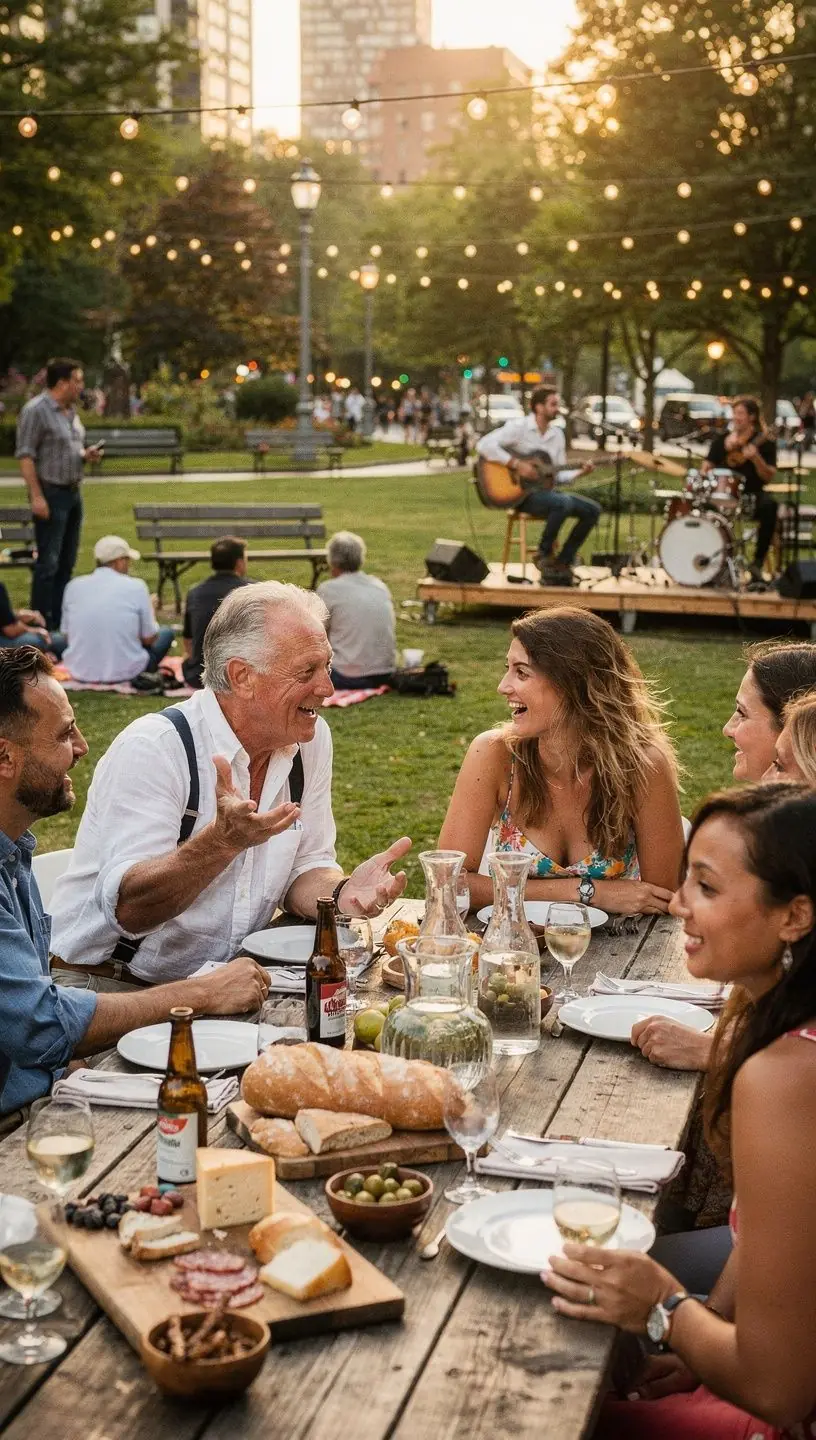
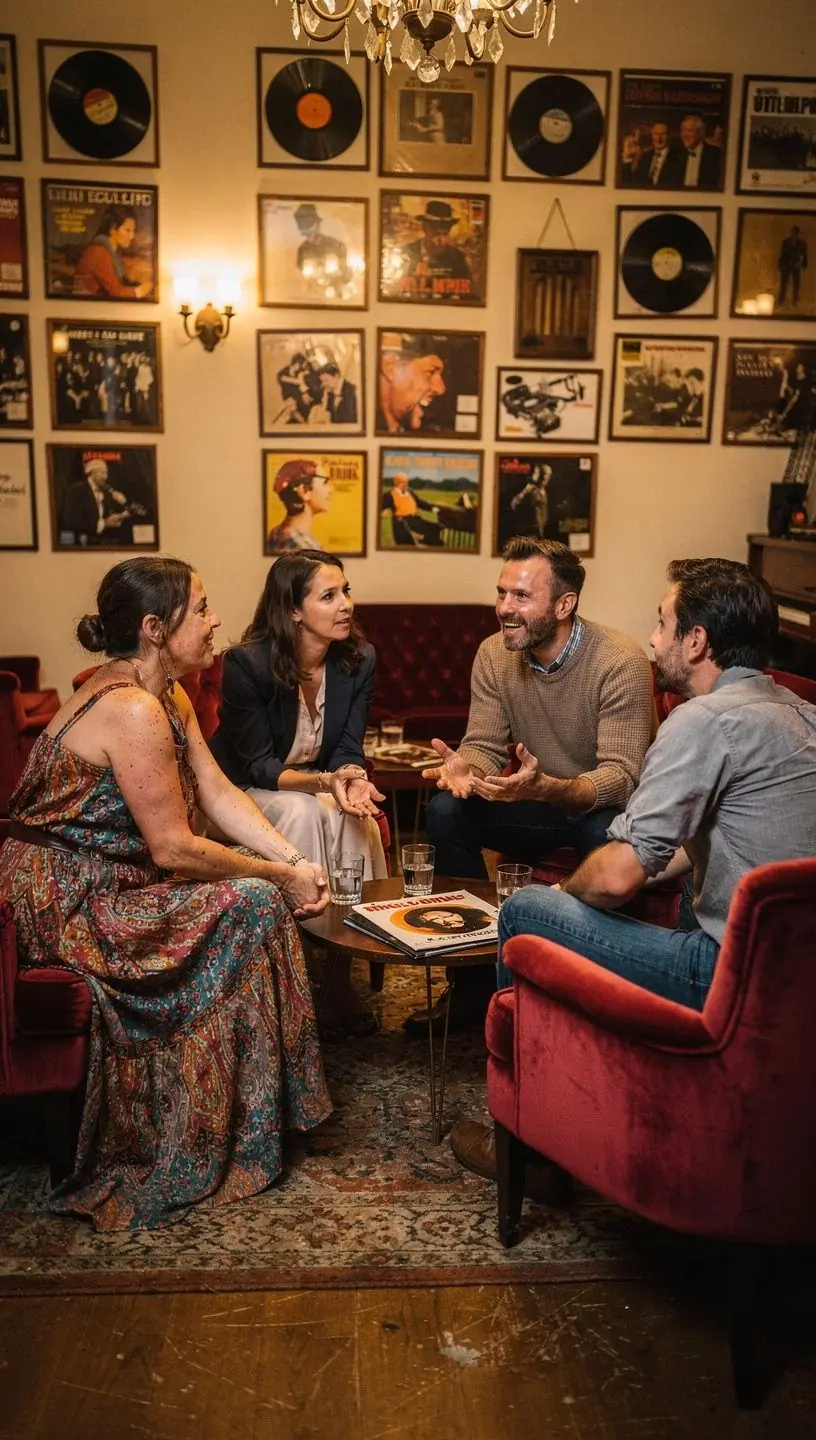
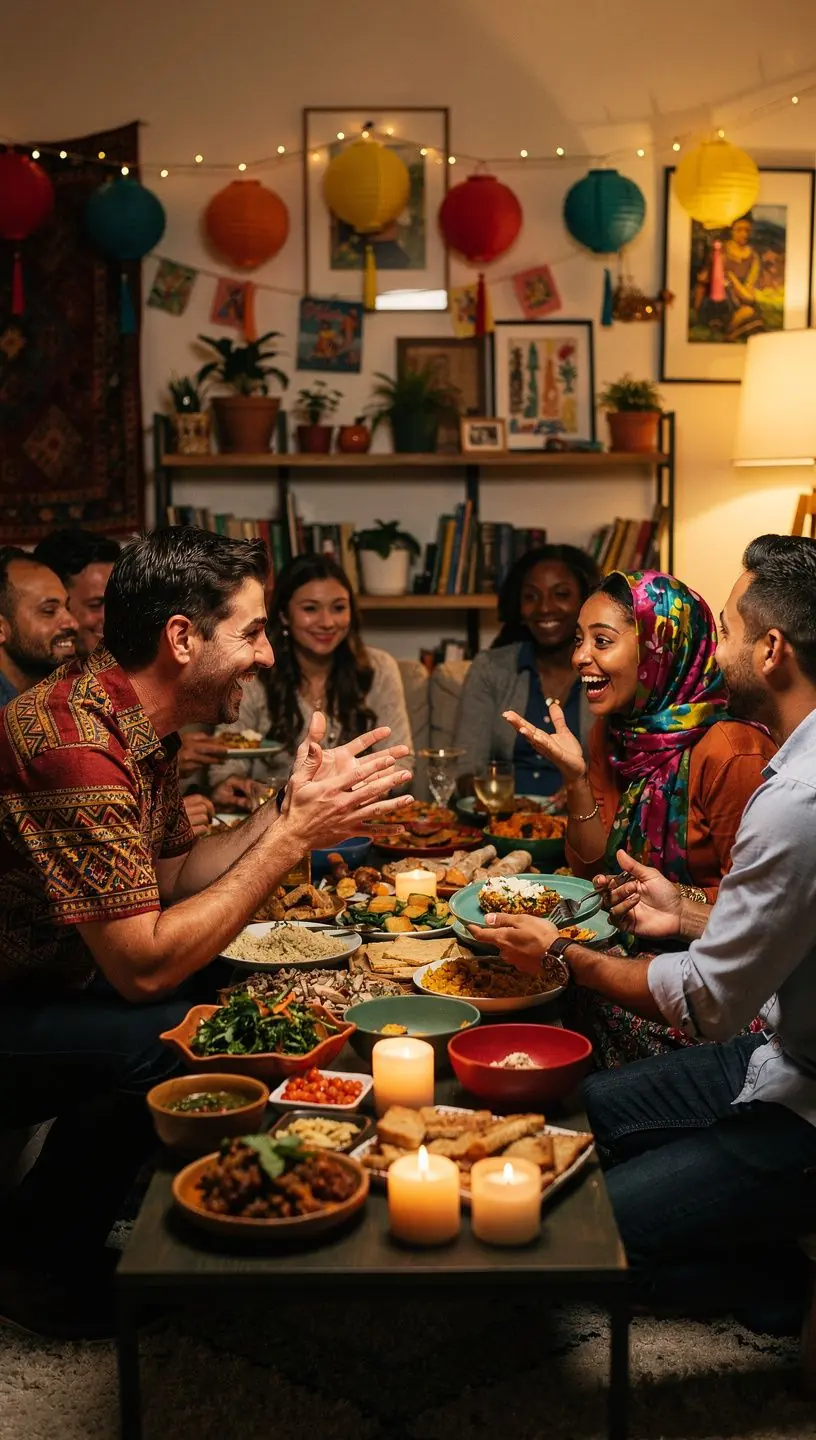
Cultural engagement refers to the ways individuals interact with and participate in cultural practices and events. According to research from the National Endowment for the Arts, community-based cultural activities often lead to increased participation rates in the arts and cultural sectors. Experts suggest that group activities, such as music salons and themed evenings, can facilitate deeper connections to cultural heritage and contemporary practices.
"Participating in group activities enhances not only individual enjoyment but also fosters a sense of belonging and community." - Cultural Studies Expert
How Group Activities Enhance Cultural Engagement
There are several ways in which group activities can enhance cultural engagement:
- Social Interaction: Engaging with others in a cultural setting can enhance the experience and facilitate social connections. Research indicates that social cohesion often increases when individuals participate in group cultural events.
- Shared Learning: Participants in group activities often share knowledge and experiences. This collaborative learning approach can deepen understanding and appreciation of cultural practices. Studies show that people tend to retain information better when learned in a social setting.
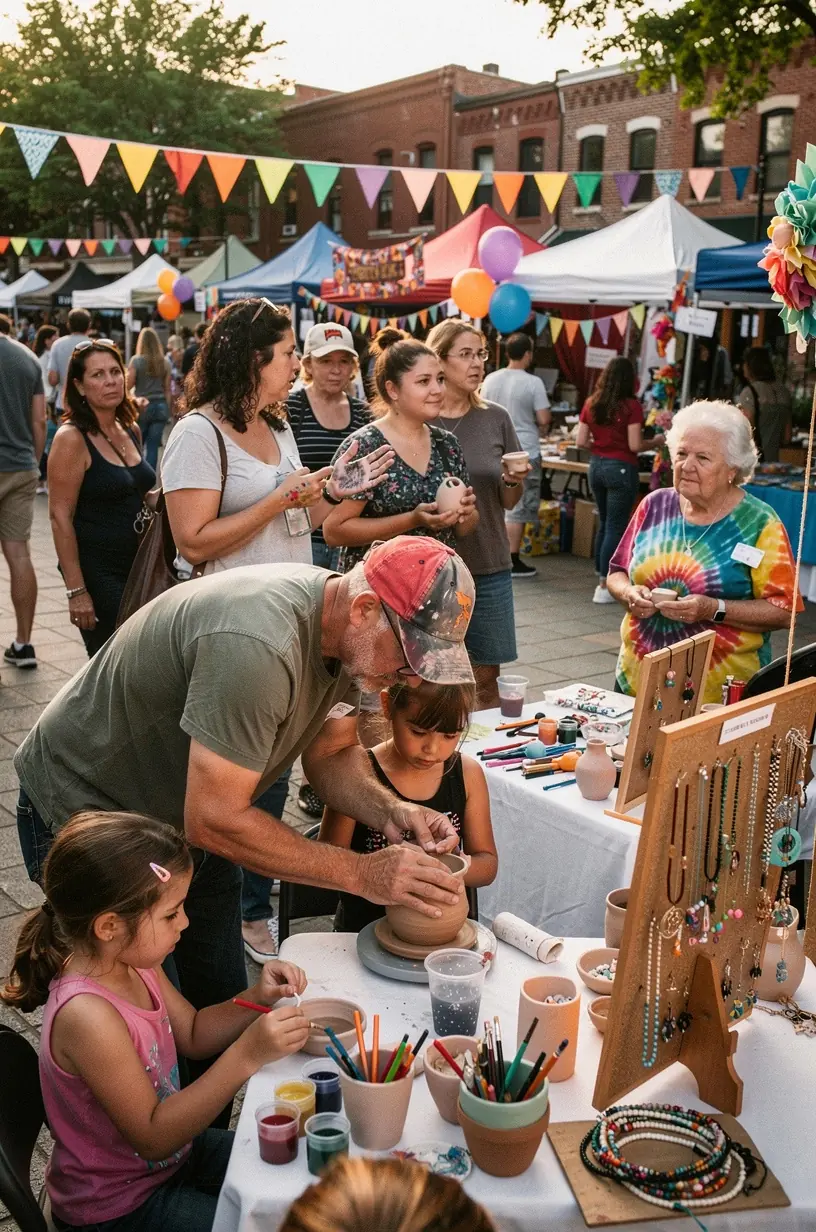
- Community Involvement: Group activities often serve as a gateway to broader community engagement. When individuals participate in local cultural events, they may become more invested in their communities. Many users report feeling a stronger connection to their local culture after participating in such events.
Practical Applications for Cultural Organizations
For cultural organizations looking to increase engagement, implementing group activities can be an effective strategy. Here are some practical steps:
- Create Inclusive Opportunities: Design activities that cater to diverse audiences, ensuring that everyone feels welcome and included.
- Encourage Participation: Promote group activities through local channels, emphasizing the communal and educational benefits.
- Foster Ongoing Connections: After the event, maintain contact with participants through newsletters or follow-up activities. This approach can help to sustain interest and encourage ongoing cultural engagement.
Conclusion
Group activities play a significant role in enhancing cultural engagement. By promoting social interaction, shared learning, and community involvement, organizations can create enriching experiences for participants. While implementing these activities may require time and effort, the potential benefits for both individuals and the community can be substantial. As many studies suggest, fostering such environments can lead to a more vibrant and engaged community in the cultural landscape.