Understanding Regional Variations in Themed Events
Themed events have gained significant popularity across the United States, offering unique experiences that reflect local cultures and preferences. Understanding the regional variations in these events can enhance participation and satisfaction. This article explores how these variations manifest, the factors influencing them, and practical insights for organizing or attending such events.
The Importance of Cultural Context
Many experts in cultural studies emphasize the significance of local culture in shaping themed events. According to research, themed events are often designed to resonate with the cultural heritage of the area. This means that events in New Orleans may focus on jazz and Mardi Gras traditions, while those in Seattle might highlight coffee culture and grunge music. Understanding these local nuances can greatly enhance the appeal of themed events.

"Cultural context is key to creating memorable and engaging themed events that resonate with participants." - Dr. Sarah Thompson, Cultural Anthropologist
Factors Influencing Themed Events
Several factors contribute to the regional differences observed in themed events. These include:
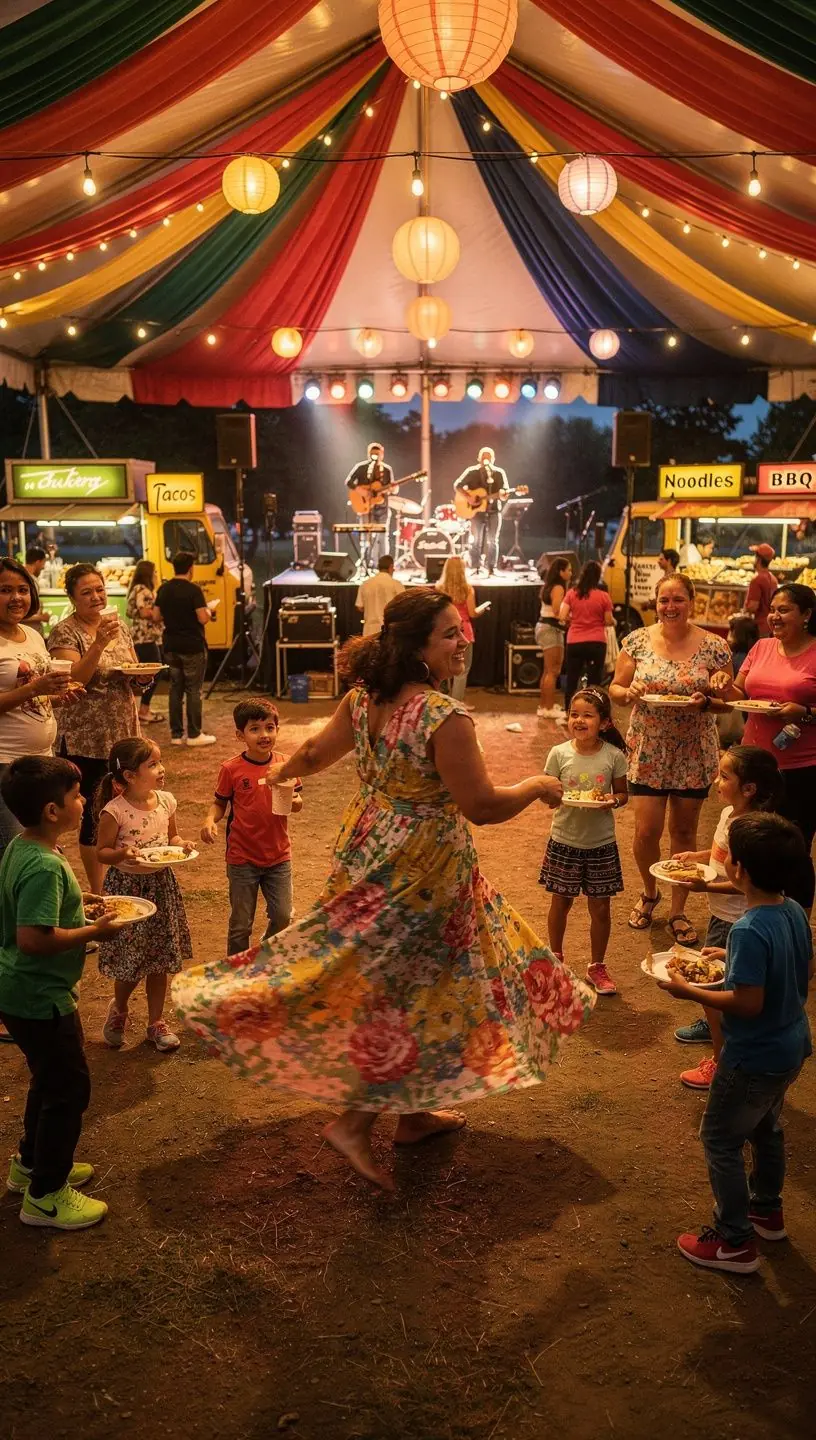
- Historical Significance: Many regions have unique histories that influence the themes of local events. For example, cities with rich immigrant histories may celebrate cultural festivals that showcase food, music, and traditions from those communities.
- Local Resources: The availability of local talent, venues, and materials can shape the type of events organized. For instance, a region known for its vineyards may host wine tastings and vineyard tours.
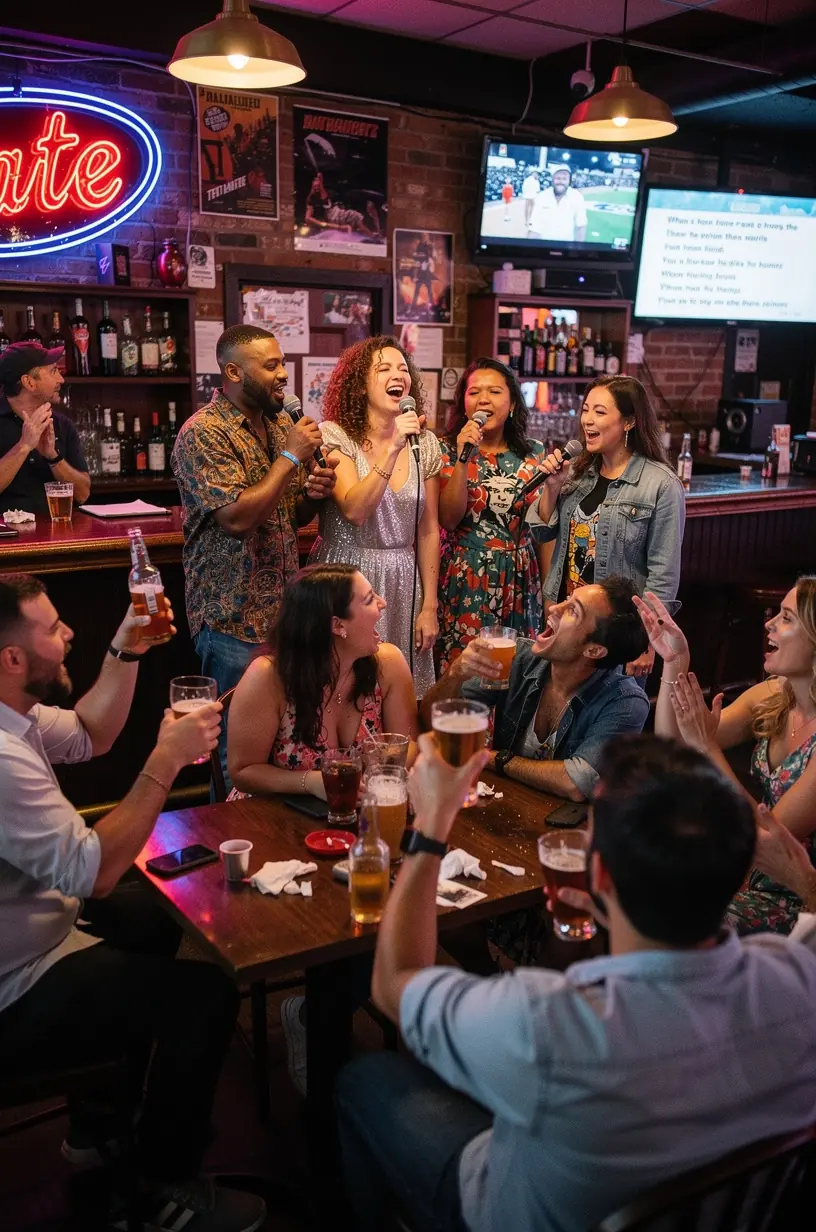
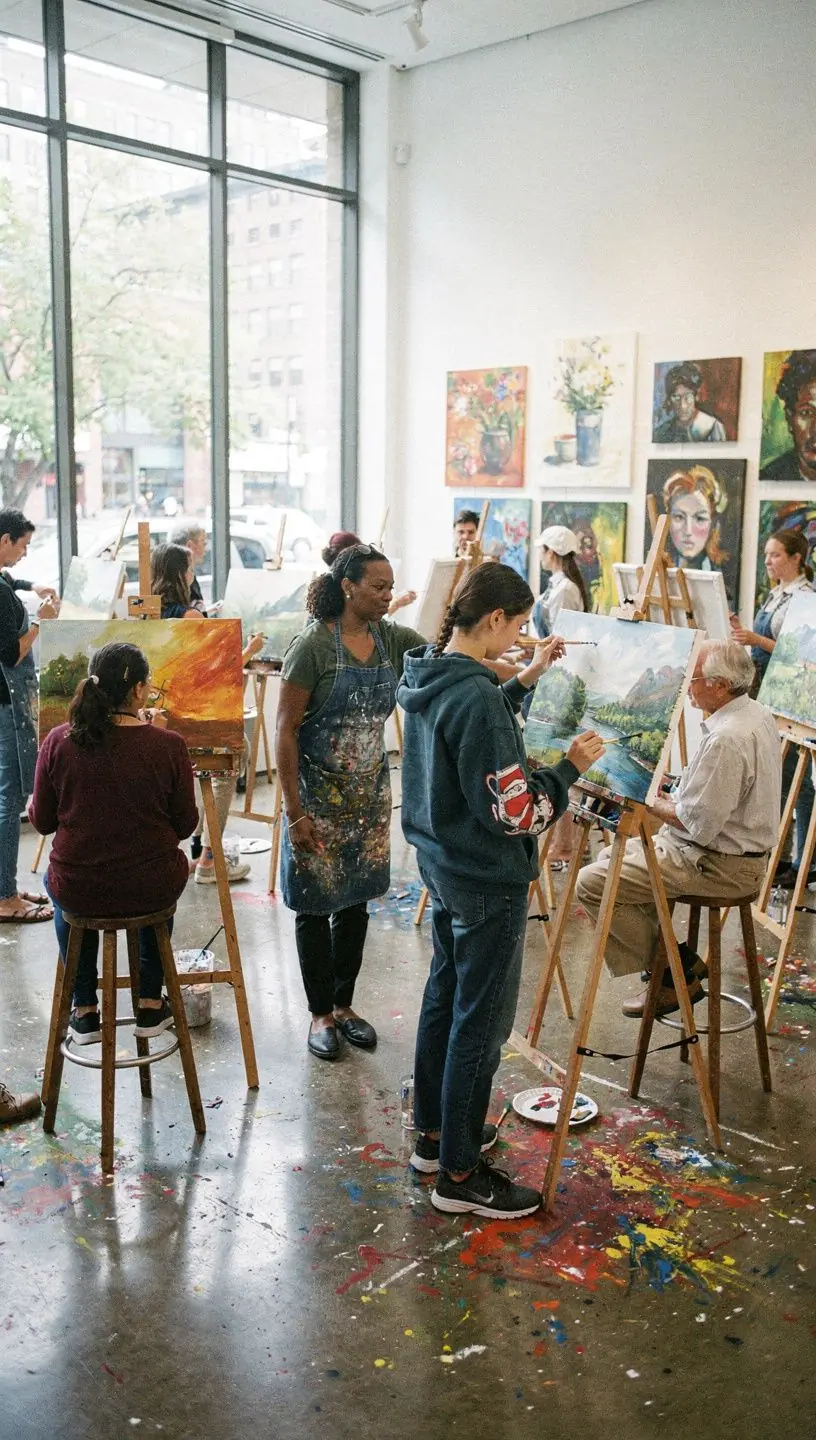
- Community Preferences: Community interests often dictate the themes of events. In areas with a high concentration of artists, themed arts nights may be more prevalent, while tech-oriented cities might focus on innovation-themed gatherings.
Practical Insights for Organizers
For those looking to organize themed events, understanding regional preferences is crucial. Here are some practical insights:
- Research Local Culture: Take time to study the cultural history and interests of the community. Engaging with local historians or cultural leaders can provide invaluable insights.
- Conduct Surveys: Gathering feedback from community members can help identify what themes resonate most. Many event organizers report that surveys lead to higher participation rates.
- Collaborate with Local Artists: Partnering with local artists and performers can enrich the event experience and ensure authenticity. Studies suggest that events featuring local talent tend to attract larger audiences.
Acknowledging Limitations
While themed events can be incredibly engaging, there are limitations to consider. Organizers should be aware that:
- Implementation may require significant time and effort, typically taking several months to plan and promote effectively.
- Some themes may not appeal universally; it is essential to target audience interests accurately.
- Logistical challenges, such as venue availability and budget constraints, can impact the feasibility of certain themes.
Conclusion
Regional variations in themed events reflect the diverse cultural landscape of the United States. By understanding these differences and applying practical insights, both organizers and participants can maximize the value and enjoyment of themed events. As regions continue to evolve, so too will the themes that resonate with their communities, creating a dynamic cultural tapestry for all to appreciate.
Discover More